
[gspeech type=circle]
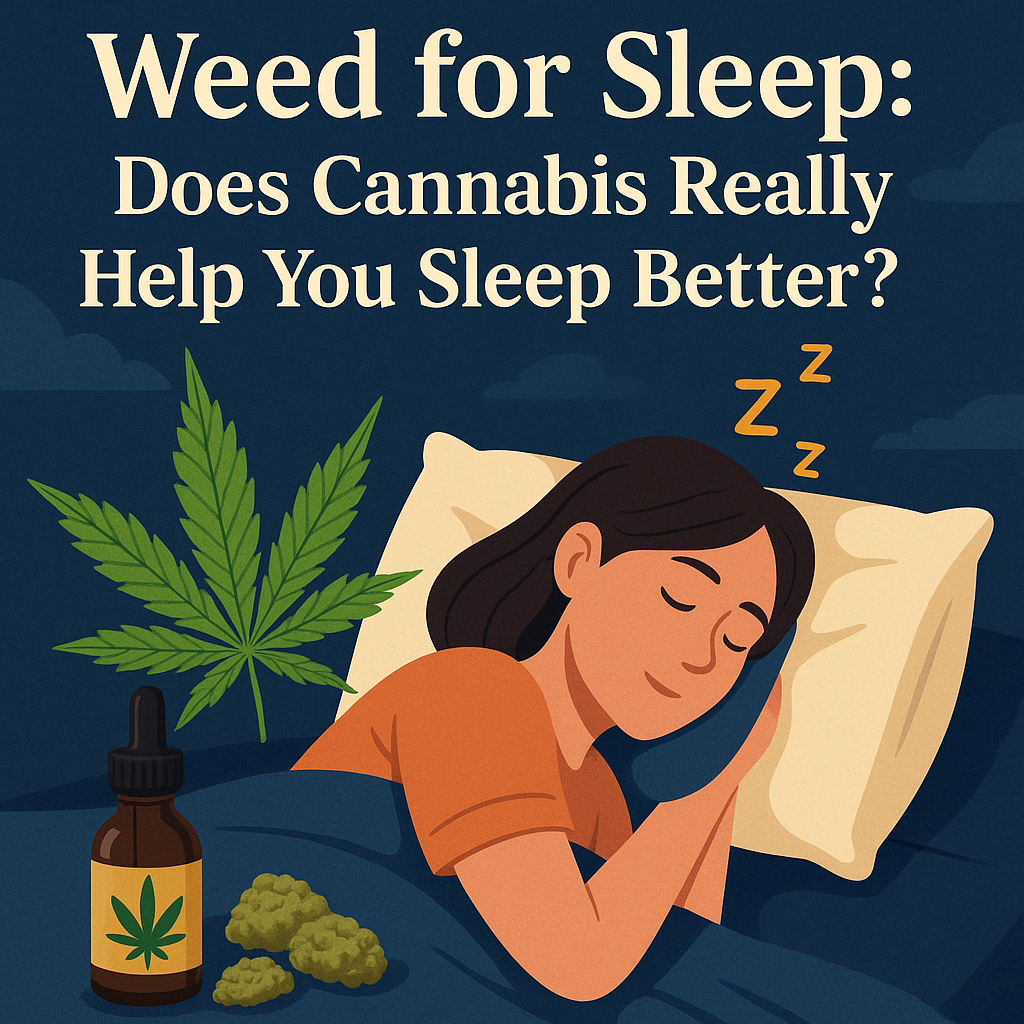
In today’s fast-paced world, achieving a good night’s sleep can sometimes feel like an elusive dream. More and more people are turning to alternative remedies to help them catch those precious Zs. Among these, cannabis has garnered significant attention for its potential to improve sleep quality. But is it really effective? This article delves into the relationship between cannabis and sleep, exploring its benefits and potential drawbacks.
The Science Behind Cannabis and Sleep
Understanding how cannabis interacts with the body is crucial to grasping its potential effects on sleep. The primary components of cannabis that influence sleep are cannabinoids, which interact with receptors in the body’s endocannabinoid system.
How Cannabinoids Affect Sleep
- THC (Tetrahydrocannabinol): Known for its psychoactive properties, THC may help some individuals fall asleep faster by altering the sleep-wake cycle.
- CBD (Cannabidiol): Unlike THC, CBD is non-psychoactive and is thought to promote relaxation and alleviate anxiety, potentially leading to improved sleep quality.
Research on Cannabis and Sleep
Recent studies have shown mixed results regarding cannabis’s efficacy as a sleep aid. Some research indicates that THC might decrease sleep latency, the time it takes to fall asleep. However, frequent and large doses may lead to tolerance or disrupted sleep architecture over time.
Benefits of Using Cannabis for Sleep
Using cannabis as a sleep aid can offer several potential advantages:
- Fast-Acting: Cannabis may help reduce the time it takes to fall asleep, providing quick relief for those with insomnia.
- Anxiety Reduction: By helping to calm the mind, cannabis can prevent anxiety-related sleeplessness.
- Pain Relief: Cannabis can alleviate chronic pain that might otherwise hinder restful sleep.
Potential Drawbacks
While cannabis has its benefits, there are notable drawbacks to consider:
- Dependency Risk: Regular use can lead to dependence, and cessation may result in withdrawal symptoms like insomnia.
- Tolerance Build-Up: Over time, users may require higher doses to achieve the same sleep-inducing effects.
- Altered Sleep Stages: Cannabis can reduce REM sleep, potentially impacting dream recall and sleep quality.
How to Use Cannabis for Sleep Safely
For those considering cannabis as a sleep aid, the key is to use it responsibly:
- Start Low and Go Slow: Begin with a low dose and increase gradually to assess how your body responds.
- Choose the Right Strain: Indica-dominant strains are often recommended for their sedative effects.
- Consult a Professional: Speak to a healthcare professional who understands cannabis to tailor its use to your specific needs.
Conclusion
Cannabis may hold potential as a sleep aid for some individuals, but it’s not without its challenges. If you’re considering this option, weigh the benefits against the risks and consult with medical professionals to ensure safe and informed use.
Struggling to achieve those elusive nights of restful sleep? Explore all your options and make informed choices about sleep aids, including cannabis. Don’t forget to consult your healthcare provider for advice tailored to your unique needs. Sweet dreams are just around the corner!
The Anti-Inflammatory Effects of Weed
Cannabis for Sleep Risks and Benefits
#Weedclub #Weed #WeedClubPattaya #WeedNearMe
#WeedShopNearMe #Cannabis #ThailandCannabis
#CannabisThailand #CannabisShop #CannabisNearMe
#CannabisShopNearme #Dispensaynearme #Dispensary
#WeedShopsNearMe #WeedShop #IsWeedLegalinThailand
#WeedDispensary #WeedDispensaryNearMe #CannabisDispensaryNearme 🌿